Market Report
Autumn Market Report: Property Insights
4 March 2026
by Sally O'Connell, Chief Executive Officer
Australia’s Economy & Housing: Resilient values, Inflationary pressures coming to the fore, and more selective buyers
Notwithstanding the inflationary and cost of living challenges, Australia’s employment remains strong and provides a stabilising base, with unemployment steady at 4.1% in January 2026 – a continuing robust result. Given the potentially unsustainable Government contribution to recent employment – this rate appears primed for softening in the medium term. We’ve also seen the AI driven tech boom falter over the past quarter with question marks arising for not only technology stocks, but increasingly the infrastructure boom around data centres and sustainability of many business models. These factors have driven a slight bias toward uncertainty more broadly. For housing, the message is consistent: demand is still present and supply remains constrained, but the market is becoming more segmented, where quality and location increasingly determine pricing power.
National Price Growth: rising at a slower rate, focus on mid-sized cities

Delving a bit deeper into the trends shows the more affordable end of the market is still delivering some strength. For example, lower quartile house values were up in most capital cities while upper quartile house values dropped in Sydney and Melbourne. There is a lot of competition for lower-priced properties, from first home buyers and investors while credit is less available across the higher price points due to serviceability constraints. Regional markets are showing a similar trend, outperforming the capitals across New South Wales, Victoria, South Australia and Tasmania, with demand more resilient thanks to lower price points and evidence of rising internal migration rates.
Melbourne Snapshot: stability, selective competition, and a value case that remains compelling

The takeaway: over the past quarter the green shoots evident in the Melbourne market have withered a little. Some of this is due to sentiment, some due to an outlook for potentially higher rates, and some due to increased attention to the parlous political budgetary position and uncertainty around the upcoming election. Underpinning all of this however are the fundamentals where quality property is behind all other Australian cities. This will undoubtedly reverse, and strongly – however this is unlikely to occur until greater economic clarity. Property is a long-term asset, and those with a medium to long term view taking a foothold now and into the near future, will be well rewarded in years to come. We believe Victoria remains the greatest opportunity of all states over the coming five years.
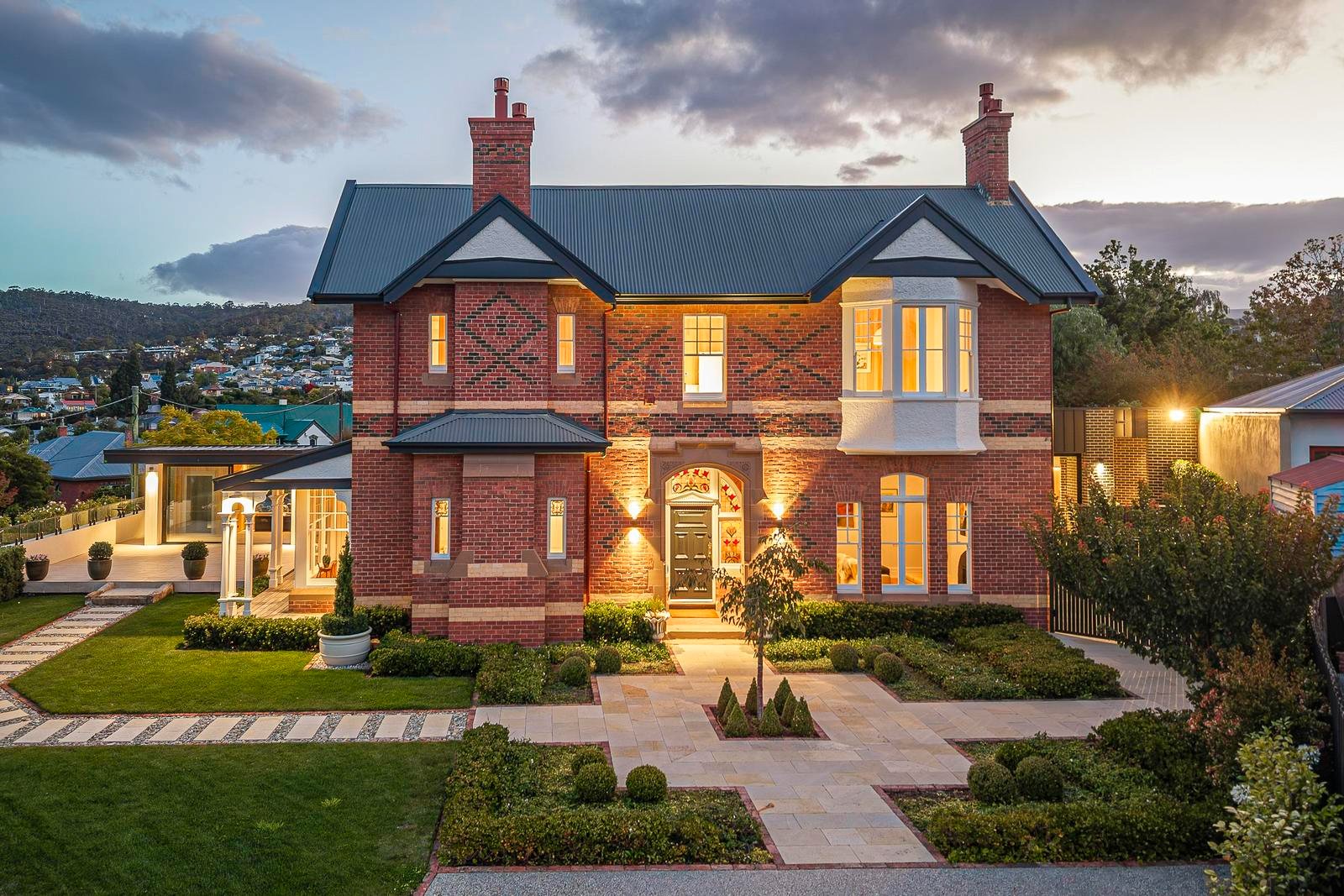
Hobart Snapshot: early green shootsand premium opportunity

The link between mainland Victoria and Hobart is helping our clients access the very best of the premium Tasmanian market, and we’re excited to bring the very best of this increasing alternative lifestyle and investment market – to our clients across the nation.
Listings & Market Depth: supply remains a key tailwind
Supply (and lack thereof) remains one of the most supportive pillars for housing values. Cotality notes advertised supply remained well below normal levels throughout 2025, while sales volumes have held up, confirming that quality supply of listings is being absorbed quickly when correctly priced and well presented. Auction markets have started 2026 in solid shape, with Cotality reporting a combined capital preliminary clearance rate of 68.9% for week ending 1 March, 2026. Melbourne hosted the most auctions last week, with 1,838 events held, the highest number of auctions since the week ending 19 December 2021 (2,161). The preliminary clearance rate strengthened to 70.4%, up from 68.1% the week prior. This week will be a lot quieter across the Melbourne auction market due to the long weekend, with around 550 homes scheduled for auction. In practical terms, good homes are still clearing decisively while compromised offerings require sharper pricing and stronger strategy centred around grounded vendor expectations.
Rental Markets: growth rebuilding, vacancy tight, yields remain compressed
Rental conditions remain firm, with vacancy tight and rental growth rebuilding. Cotality reports vacancy at 1.7% in January (below the long-run average) and notes rental growth strengthened again, with the Rental Index rising 0.6% in January and annual rental growth lifting to 5.4%. For investors, the picture remains nuanced: yields are still being compressed by value growth and holding costs, but tight vacancy and improving rent momentum remain supportive. Selectivity matters, and homes with enduring tenant appeal and minimal compromise are best positioned to outperform. In the longer term, population growth underpins the solid fundamentals of this market.
Rates & Inflation: a clear shift back to restraint
Inflation has reappeared as a material factor impacting buyer behaviour and price momentum. The earlier price growth momentum has rolled back slightly after the CPI inflation read at 3.8% (year to December 2025) and the RBA’s February decision to lift rates to 3.85% reinforces that the easier “rate-cut tailwind” narrative has faded. The likely outcome is a more selective buyer pool and a moderated pace of price growth. The strongest cities have perhaps a final quarter of growth at these levels, before affordability bites and we expect Perth and Adelaide to taper back slightly as we move through the year. Another rate increase in the first half of 2026 remains a distinct possibility, contributing to the moderation in price growth. However, constrained supply continues to provide a constructive floor under quality housing particularly in premium, tightly held locations. We expect Brisbane and more broadly South East Queensland to strengthen rates of price growth underpinned by demand fuelled by enormous Olympic infrastructure construction projects.
Growth & Jobs: supportive labour market, however government largesse unsustainable
At 4.4% for 2025, Victoria lags the other Australian states and remains a challenge for the future outlook. It’s likely to deteriorate into the medium term, along with the national performance as the unsustainability of record government employment begins to unwind. Increasingly the employment burden will revert to the private sector as its being confronted with lower rates of economic growth and the omnipresent technology and AI threats. The national unemployment rate has shown a remarkably strong performance to date at 4.1% and its likely this will begin growing in the medium term.
Population & Supply: Victoria remains a prime beneficiary
Population growth remains one of the most durable structural drivers of housing demand, and Victoria remains a prime beneficiary. The ABS reports Australia’s population at 27.61M at 30 June 2025, with strong net overseas migration; Victoria continues to absorb a meaningful share of this growth cycle. With new housing supply still constrained, this population backdrop continues to underpin demand for well-located housing in Melbourne’s quality inner and middle-ring suburbs. Over time, this imbalance between demand and supply remains a key support for values and rents in blue-chip Melbourne markets.
Risks to watch
However, Victoria’s recent property market underperformance means it may be well positioned for a rebound, which helps balance some of these risks as we move into the Autumn market.
What does this mean for Abercrombys’ clients?
Victoria remains nuanced due to higher holding costs, but the rental backdrop is supportive. Tight vacancy and strengthening rent growth help offset the pressure of borrowing costs, yet selectivity remains crucial. Assets with enduring tenant appeal, strong amenity and minimal compromise are best placed to deliver resilient outcomes. Again, disciplined strategies and careful selection of areas underpinned by infrastructure projects and future population growth will be rewarded.