Market Report

Autumn Market Report: Property Insights

4 March 2026
by Sally O'Connell, Chief Executive Officer
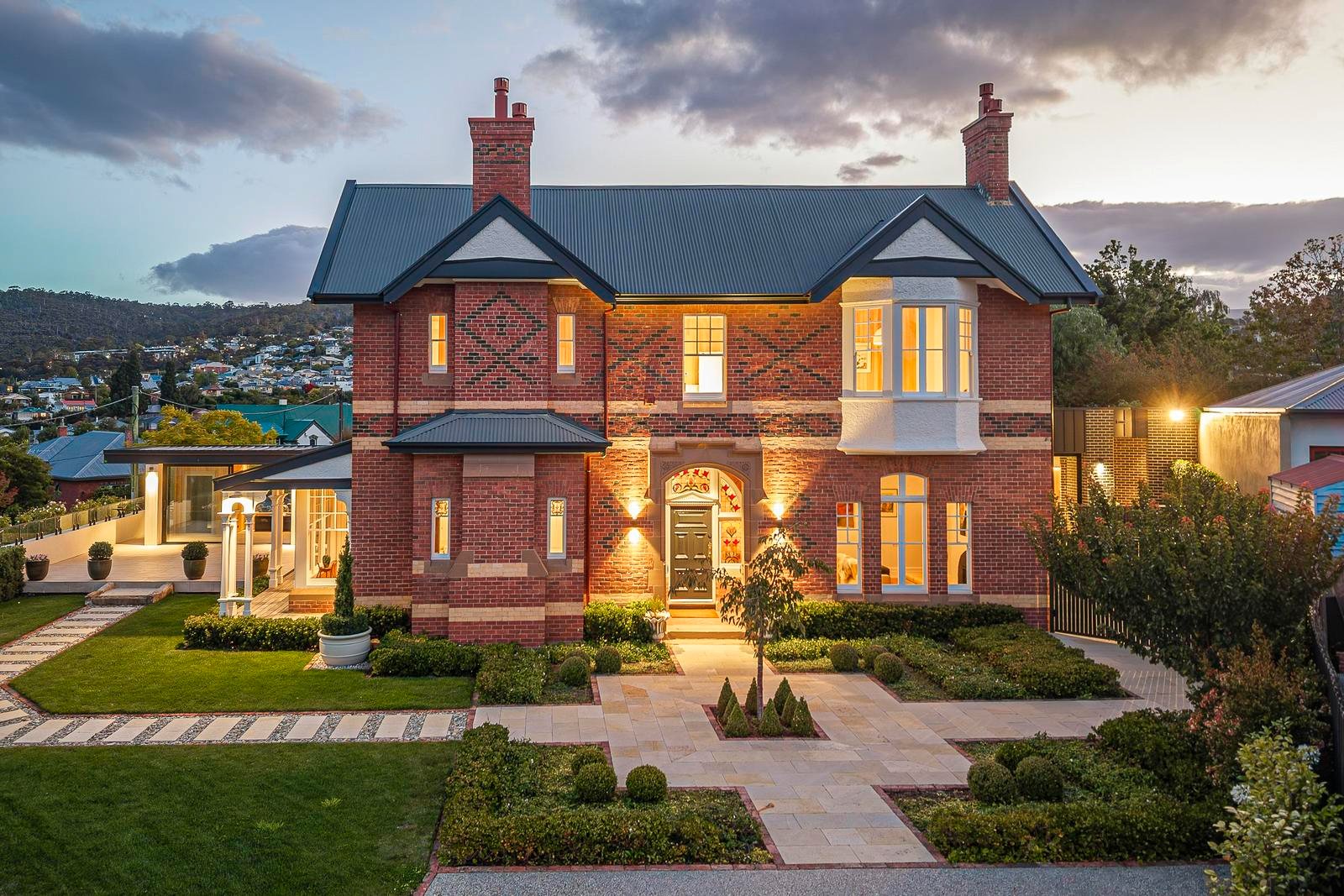
Australia’s Economy & Housing: Resilient values, Inflationary pressures coming to the fore, and more selective buyers


Welcome to Autumn 2026 as we see dwelling values still rising, and a previously balanced marketplace beginning to show early signs of a shift toward a buyers market. Opportunities abound, with a number of markets across the country performing differently. The quarter has seen a distinct performance gap opening between mid-sized cities and (outperforming) and larger cities (plateauing). As markets shift, in response to many drivers both locally and globally, it’s never been more crucial for buyers and sellers to exercise diligence in transactions.
Most recently we’ve seen the spectre of sustained inflationary pressures weighing on interest rate concerns and a slight bias toward reduced price growth rate. Inflation lifted again in the most recent read (CPI 3.8% in the year to December 2025) and the RBA has responded, raising the cash rate 0.25% to 3.85% on 3 February 2026. Whilst the key driver of price growth has been the lack of supply and strong growing demand, the recent rate increase and importantly the increased possibility of a further uplift – are beginning to impact. Confidence has softened alongside higher rates, with the Westpac–Melbourne Institute Consumer Sentiment Index down 2.6% in February to 90.5 (from 92.9 in January), highlighting that households remain cost-of-living sensitive. It’s useful to reference that measure in our Summer Update – where it had risen strongly to 103.8 in November from 92.1 in October. What a difference three months can make.

Notwithstanding the inflationary and cost of living challenges, Australia’s employment remains strong and provides a stabilising base, with unemployment steady at 4.1% in January 2026 – a continuing robust result. Given the potentially unsustainable Government contribution to recent employment – this rate appears primed for softening in the medium term. We’ve also seen the AI driven tech boom falter over the past quarter with question marks arising for not only technology stocks, but increasingly the infrastructure boom around data centres and sustainability of many business models. These factors have driven a slight bias toward uncertainty more broadly. For housing, the message is consistent: demand is still present and supply remains constrained, but the market is becoming more segmented, where quality and location increasingly determine pricing power.


National Price Growth: rising at a slower rate,
focus on mid-sized cities

 
National values are still lifting, but leadership is increasingly concentrated in the mid-sized and more affordable capitals. Cotality’s Home Value Index shows Australian dwelling values rose 0.8% in January, lifting values 2.4% over the past three months and 9.4% over the past year. The pattern remains clear: markets with stronger relative affordability are carrying the momentum, while Sydney and Melbourne have been comparatively flat over the most recent quarter. As rates rise and sentiment cools, this divergence is likely to persist – rewarding markets and segments where buyers can still stretch, and tempering conditions where affordability is already tight.
 
Rolling quarterly capital city annualised price growth from Cotality Australia are as follows:
• Perth ~28.0% (AT PEAK)
• Darwin ~21.6% (AT PEAK)
• Brisbane ~20.4% (AT PEAK)
• Adelaide ~18.8% (AT PEAK)
• Hobart ~10.4% (5.1% below March 2022 peak)
• Canberra ~5.2% (1.8% below May 2022 peak)
• Sydney ~0.8% (0.1% below Nov 2025 peak)
• Melbourne ~0.4% (0.7% below March 2022 peak)

The mid-sized cities are now strongly outperforming the larger cities of Melbourne and Sydney. Sydney is being impacted by affordability, causing residents to look elsewhere both for principal place of residence as well as investment opportunities. Melbourne is less driven by affordability having plummeted below Perth, Adelaide and Brisbane in median house price – the Victorian and Melbourne challenge relates to state based economic and political challenges. Both factors continue to restrain the inevitable recovery of this market.
 

Delving a bit deeper into the trends shows the more affordable end of the market is still delivering some strength. For example, lower quartile house values were up in most capital cities while upper quartile house values dropped in Sydney and Melbourne. There is a lot of competition for lower-priced properties, from first home buyers and investors while credit is less available across the higher price points due to serviceability constraints. Regional markets are showing a similar trend, outperforming the capitals across New South Wales, Victoria, South Australia and Tasmania, with demand more resilient thanks to lower price points and evidence of rising internal migration rates.


Melbourne Snapshot: stability, selective competition,
and a value case that remains compelling
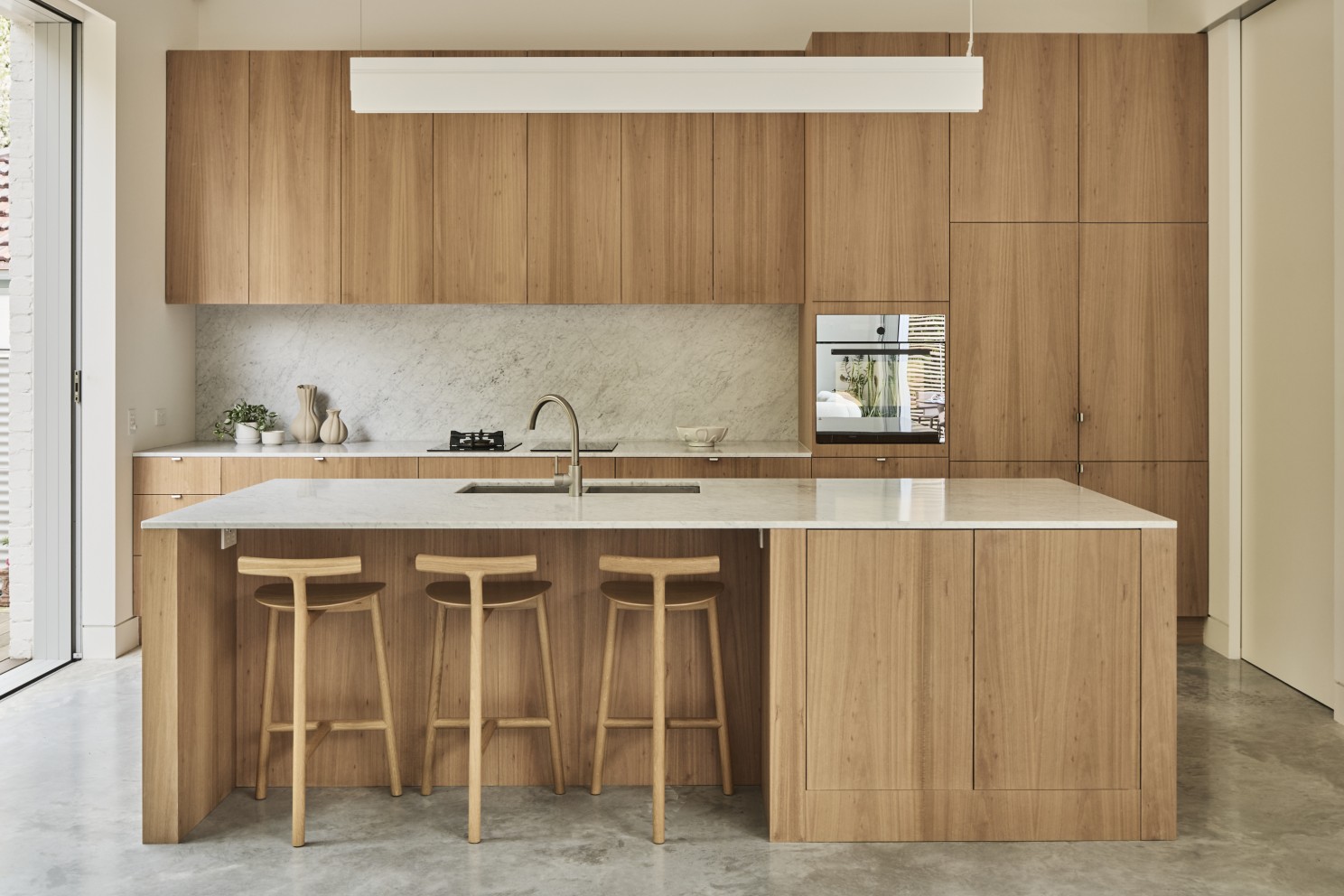
Melbourne continues to present as a measured, flight-to-quality market rather than a broad-based surge. Cotality shows Melbourne values up 0.1% in January, 0.1% over the past three months, and 5.4% over the past year, with a median dwelling value of $830,371. On the ground, premium homes with strong land, light, amenity and turnkey presentation, particularly in Stonnington and Boroondara continue to attract the strongest competition. Building costs remain prohibitive, exacerbating the attractiveness of well finished and appointed homes. By contrast, secondary or compromised properties are still selling, however buyers are more disciplined and price sensitivity is intensifying. Lifestyle regions (Mornington Peninsula, Macedon Ranges) remain in demand, though higher holding costs are encouraging more considered bidding and a sharper focus on value with a slight uptick in supply due to holding costs against a tougher economic backdrop.

The takeaway: over the past quarter the green shoots evident in the Melbourne market have withered a little. Some of this is due to sentiment, some due to an outlook for potentially higher rates, and some due to increased attention to the parlous political budgetary position and uncertainty around the upcoming election. Underpinning all of this however are the fundamentals where quality property is behind all other Australian cities. This will undoubtedly reverse, and strongly – however this is unlikely to occur until greater economic clarity. Property is a long-term asset, and those with a medium to long term view taking a foothold now and into the near future, will be well rewarded in years to come. We believe Victoria remains the greatest opportunity of all states over the coming five years.

Hobart Snapshot: early green shootsand premium opportunity

 
Abercrombys is excited to have entered Hobart’s premium market in January 2026, bringing our blue-chip sales and advisory capability to a city where lifestyle appeal and constrained supply can create excellent outcomes for both buyers and vendors. Hobart is re-emerging as a compelling value market in early 2026 as conditions rotate back toward balance.
 
After a longer adjustment period than most capitals, momentum is improving from a lower base, with Cotality showing Hobart values up 0.5% in January, 2.6% over the past three months, and 7.0% over the past year (median $722,339). This is not a boom market; rather, it is a market where scarcity and quality are increasingly being rewarded, particularly in the premium segment where supply is naturally limited.

Hobart’s rental market remains exceptionally tight, with vacancy rates around 0.4 percent, making it one of the most constrained markets in Australia. Rental prices continue to rise, with annual growth remaining positive. Importantly, relatively strong yields continue to support investor confidence and underpin the market’s long term fundamentals.
 

The link between mainland Victoria and Hobart is helping our clients access the very best of the premium Tasmanian market, and we’re excited to bring the very best of this increasing alternative lifestyle and investment market – to our clients across the nation.


Listings & Market Depth: supply remains a key tailwind


Supply (and lack thereof) remains one of the most supportive pillars for housing values. Cotality notes advertised supply remained well below normal levels throughout 2025, while sales volumes have held up, confirming that quality supply of listings is being absorbed quickly when correctly priced and well presented. Auction markets have started 2026 in solid shape, with Cotality reporting a combined capital preliminary clearance rate of 68.9% for week ending 1 March, 2026. Melbourne hosted the most auctions last week, with 1,838 events held, the highest number of auctions since the week ending 19 December 2021 (2,161). The preliminary clearance rate strengthened to 70.4%, up from 68.1% the week prior. This week will be a lot quieter across the Melbourne auction market due to the long weekend, with around 550 homes scheduled for auction. In practical terms, good homes are still clearing decisively while compromised offerings require sharper pricing and stronger strategy centred around grounded vendor expectations.


Rental Markets: growth rebuilding, vacancy tight, yields remain compressed


Rental conditions remain firm, with vacancy tight and rental growth rebuilding. Cotality reports vacancy at 1.7% in January (below the long-run average) and notes rental growth strengthened again, with the Rental Index rising 0.6% in January and annual rental growth lifting to 5.4%. For investors, the picture remains nuanced: yields are still being compressed by value growth and holding costs, but tight vacancy and improving rent momentum remain supportive. Selectivity matters, and homes with enduring tenant appeal and minimal compromise are best positioned to outperform. In the longer term, population growth underpins the solid fundamentals of this market.


Rates & Inflation: a clear shift back to restraint


Inflation has reappeared as a material factor impacting buyer behaviour and price momentum. The earlier price growth momentum has rolled back slightly after the CPI inflation read at 3.8% (year to December 2025) and the RBA’s February decision to lift rates to 3.85% reinforces that the easier “rate-cut tailwind” narrative has faded. The likely outcome is a more selective buyer pool and a moderated pace of price growth. The strongest cities have perhaps a final quarter of growth at these levels, before affordability bites and we expect Perth and Adelaide to taper back slightly as we move through the year. Another rate increase in the first half of 2026 remains a distinct possibility, contributing to the moderation in price growth. However, constrained supply continues to provide a constructive floor under quality housing particularly in premium, tightly held locations. We expect Brisbane and more broadly South East Queensland to strengthen rates of price growth underpinned by demand fuelled by enormous Olympic infrastructure construction projects.


Growth & Jobs: supportive labour market, however government largesse unsustainable

 
Australia’s labour market remains a stabiliser even as conditions cool from prior tightness. Unemployment held at 4.1% in January 2026, consistent with an orderly easing rather than a sharp deterioration. For housing, this remains supportive of incomes and transaction activity, even as higher borrowing costs and cost-of-living pressures keep the market segmented. In this environment, secure employment supports demand however it does not remove buyers focus on value and quality.
 

At 4.4% for 2025, Victoria lags the other Australian states and remains a challenge for the future outlook. It’s likely to deteriorate into the medium term, along with the national performance as the unsustainability of record government employment begins to unwind. Increasingly the employment burden will revert to the private sector as its being confronted with lower rates of economic growth and the omnipresent technology and AI threats. The national unemployment rate has shown a remarkably strong performance to date at 4.1% and its likely this will begin growing in the medium term.


Population & Supply: Victoria remains a prime beneficiary


Population growth remains one of the most durable structural drivers of housing demand, and Victoria remains a prime beneficiary. The ABS reports Australia’s population at 27.61M at 30 June 2025, with strong net overseas migration; Victoria continues to absorb a meaningful share of this growth cycle. With new housing supply still constrained, this population backdrop continues to underpin demand for well-located housing in Melbourne’s quality inner and middle-ring suburbs. Over time, this imbalance between demand and supply remains a key support for values and rents in blue-chip Melbourne markets.


Risks to watch

 
The re-emergence of inflationary pressures is a key risk, weighing on sentiment as the prospect of a tightening cycle heightens. Inflation, the spectre of further interest rate increases, and continued cost of living pressures all present a risk to further short-term price growth. Australia’s modest GDP growth and interrelated productivity deterioration risk a reduction in living standards, whilst technological and AI proliferation are risks to the impressively resilient thus far unemployment rate.
 
Global tensions in the Middle East could impact trade and inflation, creating broader economic uncertainty. Closer to home, political instability as Victoria enters an election cycle may affect business confidence and reduce the state’s appeal for interstate and overseas migration. Ongoing public sector budget pressures also pose a risk to economic activity.
 

However, Victoria’s recent property market underperformance means it may be well positioned for a rebound, which helps balance some of these risks as we move into the Autumn market.


What does this mean for Abercrombys’ clients?

 
Sellers
This remains a market that rewards quality, preparation, and disciplined strategy. The best homes are still attracting competitive engagement, however success hinges on presentation, a credible pricing position anchored in comparables, and campaign execution that reaches the right buyer pool. Homes coming to market that are challenged or with overly optimistic prices are meeting pushback from increasingly demanding buyers.
 
Buyers
Autumn 2026 remains a strategic window for well-prepared purchasers. With confidence softer and rates higher, we are beginning to see early stages of a shift from equilibrium toward a buyers market. Buyers are now able to negotiate more effectively across moderate supply, while still needing to act decisively on scarce premium opportunities in highly sought after school zones and lifestyle pockets. The winners will be those who move quickly when the right home appears, and stay disciplined everywhere else.
 
Investors

Victoria remains nuanced due to higher holding costs, but the rental backdrop is supportive. Tight vacancy and strengthening rent growth help offset the pressure of borrowing costs, yet selectivity remains crucial. Assets with enduring tenant appeal, strong amenity and minimal compromise are best placed to deliver resilient outcomes. Again, disciplined strategies and careful selection of areas underpinned by infrastructure projects and future population growth will be rewarded.


Outlook

 
As outlined in our Summer report, national home price growth has begun to moderate down from 11.2% to 9.6% currently. We believe this moderation is set to continue throughout the 2026 year. Autumn 2026 is defined by a market still rising nationally, underpinned by constrained supply, but operating under a more restrictive interest rate policy and outlook. Price growth rate leadership remains uneven: several capitals are at new peaks and still recording very strong quarterly annualised momentum, while Sydney and Melbourne sit close to prior peaks with flatter near-term growth. For Melbourne, expect a measured recovery and continuing flight to quality rather than a broad-based surge. For Hobart, conditions are improving from a lower base – and Abercrombys’ entry into the premium segment in January 2026 positions us to support clients as confidence and scarcity converge in a high-quality, lifestyle-led market.
 
Whilst domestic and global risks have increased, we see the environment of moderate growth and early stages of a buyers market presenting many opportunities for astute buyers and well prepared judicious sellers.